
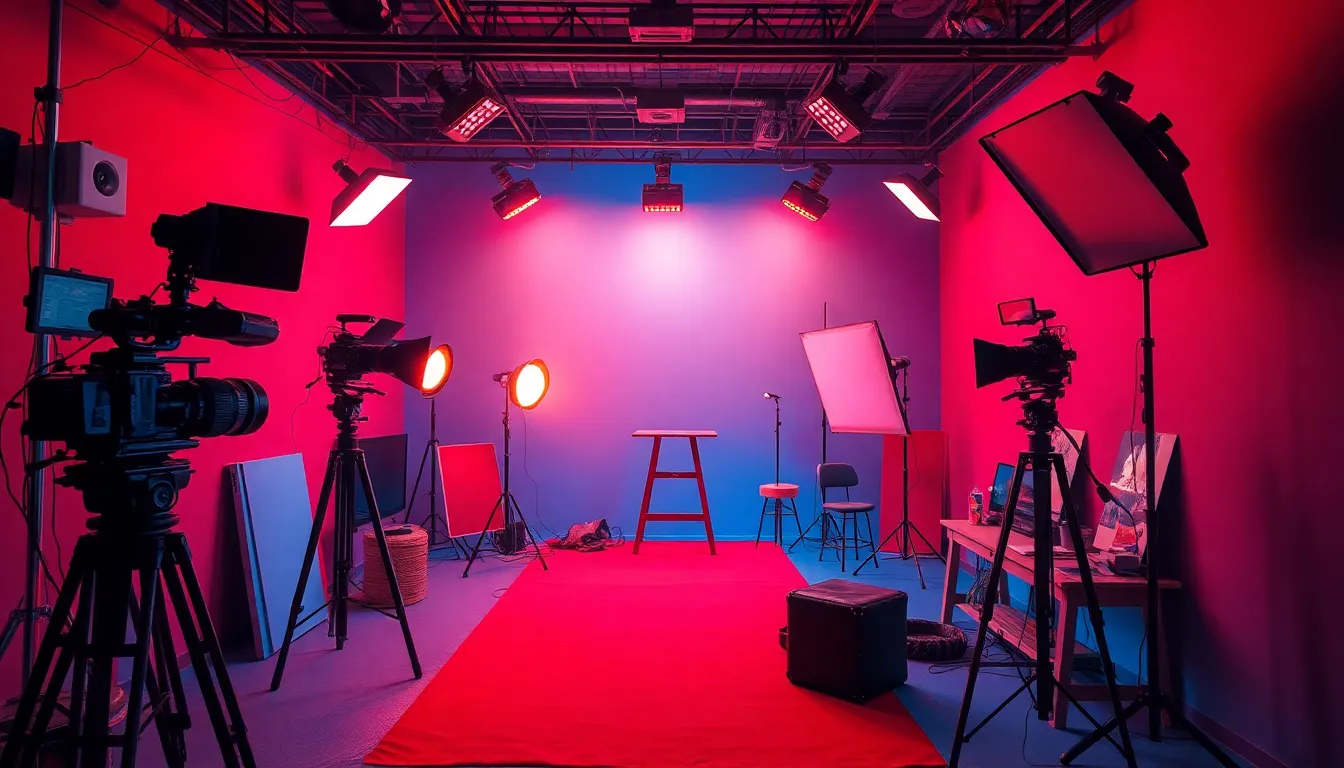
In the vibrant world of cinema, color isn’t just a pretty backdrop; it’s a powerful storytelling tool. Ever noticed how a splash of red can make your heart race or how blue hues can leave you feeling a bit melancholic? That’s the magic of color theory in movies. Filmmakers wield colors like a painter with a brush, crafting emotions and guiding audience reactions.
Overview of Color Theory in Movies
Color theory serves as a crucial element in filmmaking, guiding directors and cinematographers in their visual storytelling. Filmmakers apply color to establish mood, evoke emotions, and communicate themes. For instance, warm colors like red and orange often generate feelings of excitement or passion, while cooler colors such as blue and green can create a sense of calm or melancholy.
Colors influence audience engagement on multiple levels. Different hues can evoke various emotional responses, manipulating how viewers perceive characters and situations. A saturated palette may draw attention to a pivotal moment, whereas muted tones can suggest a state of distress.
Symbolism plays a significant role in color choices within films. Directors often utilize colors to signify character development or thematic shifts. A character dressed in bright colors might symbolize innocence or optimism, while dark tones could indicate a darker path or moral ambiguity.
Specific films illustrate the effective use of color theory. In “The Sixth Sense,” the color red denotes pivotal moments, heightening suspense and indicating supernatural elements. Similarly, in “Amelie,” vivid hues create a whimsical and enchanting atmosphere, enhancing the film’s overall tone.
Examining the impact of color expands understanding of cinematic techniques. By recognizing color patterns and their meanings, viewers can appreciate the layers of storytelling embedded in films. Overall, color theory remains an indispensable tool in cinema, shaping narratives and enriching viewer experiences.
The Psychology of Color

Color impacts emotions and perceptions significantly in film. It serves as an essential tool for filmmakers aiming to evoke specific responses from their audiences.
Emotional Responses to Color
Red often inspires feelings of passion or aggression. Blue can instill calmness, representing tranquility. Filmmakers use these specific colors to elicit various emotional reactions. For instance, a scene bathed in warm tones like orange may create an inviting atmosphere, while cooler shades like green can suggest unease or tension. Such effects enhance the storytelling process, guiding audience sentiments through visual cues. The emotional landscape crafted by colors plays a crucial role in how viewers connect with characters and narratives.
Symbolism of Colors
Colors convey deeper meanings beyond their visual appeal in movies. For example, black often symbolizes mystery or fear, while white signifies purity or innocence. Shades frequently represent character journeys, with characters dressed in darker hues facing moral dilemmas. Bright colors, in contrast, may reflect growth or happiness. This symbolism enhances thematic elements, allowing filmmakers to communicate complex ideas visually. Understanding these associations helps viewers interpret narratives in more profound ways, enriching their overall cinematic experience.
Applications of Color Theory in Film
Color theory finds extensive application in film, shaping narratives and guiding audience perception through deliberate use of color. Understanding how colors impact emotion enhances the storytelling process.
Color Palettes and Cinematography
Color palettes act as critical tools in cinematography. Warm hues often inject scenes with energy, while cool colors introduce tranquility. Filmmakers strategically select these palettes to match the emotional tone of a scene. Consider “The Grand Budapest Hotel,” where pastel colors create whimsical yet nostalgic atmospheres. Cinematographers enhance visual storytelling through color silk, setting moods that resonate with audiences. Combinations like complementary colors enhance visual contrast, engaging viewers and directing focus to crucial elements. Therefore, color selection in cinematography not only impacts aesthetics, but also influences narrative drive.
Case Studies of Iconic Films
Several iconic films illustrate effective color theory usage. “The Sixth Sense” showcases a distinct red color motif, highlighting critical plot points while evoking tension. Colors signify character development and shift the narrative. In “Amelie,” vibrant greens and reds reflect the protagonist’s imaginative world, establishing a quirky yet heartfelt tone. Each case study reveals how filmmakers manipulate colors to forge connections with audiences. These examples underscore color’s power in shaping viewer emotions, leaving lasting impressions throughout the cinematic experience. Such analysis reinforces the intricate relationship between color and storytelling, revealing depth in visual narratives.
The Role of Color in Storytelling
Color serves as a vital element in storytelling, shaping the viewer’s perception and emotional engagement. It communicates themes and character arcs effectively.
Character Development and Color
Filmmakers often use color to reflect character traits and transformations. For instance, red might represent passion or danger in a character’s journey. In “The Sixth Sense,” the presence of red hints at emotional conflicts and critical plot developments. Characters adorned in darker tones might convey mystery or moral ambiguity. In contrast, lighter shades symbolize innocence or growth. The strategic application of color in costumes and settings reinforces character development and layers the narrative.
Enhancing Mood and Atmosphere
Color significantly enhances mood and atmosphere in film. Warm hues like orange and yellow create feelings of warmth and joy. For example, in “Amelie,” vibrant color palettes evoke whimsy and childlike wonder. Cool colors like blue and green elicit calmness or unease, steering audience emotions purposefully. In “The Grand Budapest Hotel,” pastel colors contribute to an enchanting yet nostalgic feeling throughout the film. These color choices craft immersive experiences, guiding viewers through the emotional landscape of each scene.
Trends in Modern Filmmaking
Modern filmmaking embraces color as an essential narrative element. Filmmakers increasingly leverage innovative techniques to enhance emotional impact and storytelling.
Advances in Technology and Color Grading
Technology advances revolutionize color grading processes in films. Filmmakers now utilize digital tools that allow for precise color manipulation. With software like DaVinci Resolve, colorists can achieve vibrant hues and subtle shifts in tone. Enhanced capabilities enable the creation of visually stunning scenes. For example, films can now explore expansive color palettes, enhancing mood depth. Cinematographers work closely with colorists to ensure consistency across shots. This collaboration ensures that colors align with the intended emotional arc of the story, resulting in a cohesive viewing experience.
Influences of Digital Media
Digital media significantly impacts color use in contemporary cinema. Social media platforms amplify visual storytelling, compelling filmmakers to create striking images that capture attention. Audiences increasingly respond to bold color contrasts and eye-catching aesthetics. This trend leads to a focus on vibrant color schemes, setting films apart in a competitive landscape. The prevalence of streaming services fuels the need for visually appealing content, making color decisions crucial. Films like “Roma” and “Spider-Man: Into the Spider-Verse” showcase how digital platforms influence color choices and viewer engagement. This digital era pushes filmmakers to explore new creative avenues through color.
Color theory is an integral part of filmmaking that goes beyond mere aesthetics. By skillfully employing color palettes filmmakers can evoke emotions and enhance storytelling. The psychological impact of color shapes audience perceptions and deepens their connection to the narrative.
As technology advances filmmakers continue to explore innovative ways to use color. This evolution ensures that color remains a vital tool for conveying themes and character development. The relationship between color and emotion is likely to grow even more complex in future films.
Ultimately the strategic use of color enriches the cinematic experience making it a powerful element in storytelling. Whether through warm hues that invite or cool tones that create tension color will always play a crucial role in how stories are told on screen.


