

In the world of film, it’s not just the plot that captivates audiences; it’s the style that brings stories to life. Ever wondered why some movies stick with you long after the credits roll? That’s the magic of cinematic style. From sweeping camera movements to striking color palettes, these elements create an immersive experience that pulls viewers into the narrative.
Understanding Cinematic Style Analysis
Cinematic style analysis involves examining visual and auditory elements that shape a film’s overall impact. Through this method, filmmakers create unique experiences that resonate with audiences.
Definition and Importance
Cinematic style refers to the visual and auditory aspects that contribute to a film’s narrative and emotional tone. This approach encompasses various elements, including cinematography, sound design, and editing. Recognizing these elements proves crucial for audiences to appreciate a film’s artistry. Films with strong cinematic styles effectively engage viewers, leaving lasting impressions through carefully curated visuals and sound. Understanding the importance of style can deepen one’s appreciation of the storytelling process and highlight the filmmaker’s creative intent.
Key Elements of Cinematic Style
Key elements that define cinematic style include camera movements, lighting choices, color palettes, and sound design. Camera movements, such as tracking shots or handheld footage, create dynamic experiences that evoke emotions. Lighting choices, whether high-key or low-key, set the film’s mood and atmosphere. Color palettes influence the visual tone, often symbolizing themes or character emotions. Sound design, including music and ambient noise, enhances immersion and complements visual storytelling. By analyzing these elements, viewers gain insights into a film’s artistic choices and the narrative it conveys.
Components of Cinematic Style
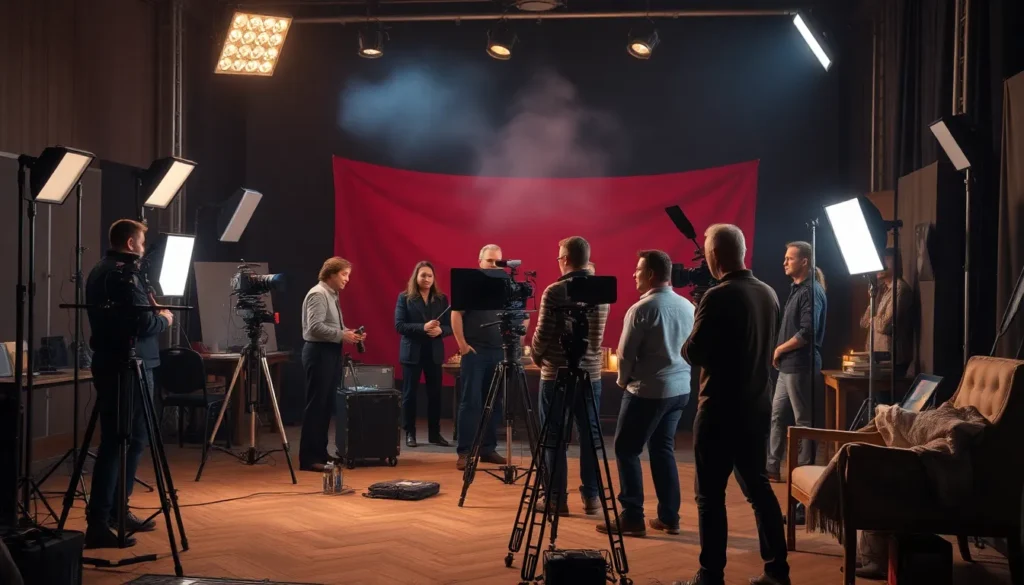
Cinematic style comprises various elements that contribute to a film’s aesthetic and emotional depth. Understanding each component enhances appreciation for the storytelling process.
Cinematography
Cinematography shapes how viewers perceive a film’s visuals. It involves camera angles, movements, and shot composition. Different angles can convey themes, such as vulnerability through low shots or authority through high shots. Utilizing tracking shots creates a sense of movement, while static shots foster contemplation. Lighting significantly influences mood, with high-key lighting brightening scenes and low-key lighting creating tension or mystery. Effective cinematography connects audiences with characters and narratives, enhancing the overall viewing experience.
Editing Techniques
Editing techniques manipulate time and space within a film. The rhythm and pacing established through cuts impact narrative flow and emotional engagement. Quick cuts can induce excitement, while longer takes promote reflection. Transition methods, such as fades and dissolves, influence scene shifts, affecting continuity. Jumps in time or perspective can generate suspense and intrigue. Well-executed editing highlights essential moments, drawing attention and guiding viewer interpretation, ultimately shaping the film’s narrative.
Sound Design
Sound design encompasses all auditory elements in a film. It includes dialogue, sound effects, and the musical score. Dialogue conveys character emotions and intentions, establishing connections with the audience. Sound effects add realism, immersing viewers in the film’s world. An effective musical score underscores emotions, enhancing tension or providing relief. Attention to ambient sounds creates richer storytelling, inviting viewers to experience the setting fully. Sound design elevates the narrative, reinforcing the cinematic experience.
Production Design
Production design refers to the visual aesthetic of film environments. It encompasses set design, props, and costume choices. The overall look creates a specific atmosphere, reflecting the film’s themes and character development. For instance, sparse settings may indicate isolation while vibrant colors evoke energy. Each prop contributes to world-building, enhancing authenticity and viewer immersion. Costume design distinguishes characters, marking social status or personality traits. Thoughtful production design deepens audience engagement, making the narrative more relatable and impactful.
Analyzing Cinematic Style in Film
Cinematic style plays a crucial role in shaping a film’s identity and message. By dissecting various elements, one can better appreciate how films communicate with and captivate audiences.
Historical Context
Historical context significantly influences cinematic style. Early cinema established fundamental techniques that persist today, such as continuity editing and shot composition. The silent film era saw innovative visual storytelling methods because sound was absent, leading filmmakers to rely on visuals. The advent of sound in the late 1920s transformed film language, adding complexity through dialogue and sound effects. Additionally, movements like German Expressionism and Italian Neorealism shaped visual storytelling and cemented the importance of stylistic choices. These historical developments inform contemporary filmmakers, providing a foundation that artists draw upon to create distinct cinematic experiences.
Genre Considerations
Genre considerations immensely shape cinematic style. Each genre carries specific conventions that guide filmmakers in decision-making. For example, horror films often employ low lighting and disorienting camera angles to evoke fear. Conversely, romantic comedies typically feature bright lighting and stable framing, enhancing lightheartedness. Action films prioritize fast-paced editing and dynamic camera movements, creating excitement. Understanding these genre-specific techniques helps audiences discern how style reinforces narrative themes and emotional responses. Incorporating these conventions contributes to a film’s overall impact, allowing viewers to engage more profoundly with the story.
Case Studies in Cinematic Style Analysis
This section explores specific films, examining their unique cinematic styles and how those choices enhance storytelling. Each case study highlights distinct visual techniques, narrative structures, and thematic elements.
Film A: Visual Techniques
Visual techniques in Film A showcase innovative camera movements and striking color palettes. Dramatic close-ups create intimacy between characters and the audience. Long tracking shots immerse viewers in the environment, enhancing realism. The cinematography features contrasting colors, which amplify emotional tension throughout key scenes. Each lighting choice carefully highlights characters’ moods, guiding audience reactions. Editing techniques further reinforce visual storytelling, with dynamic cuts maintaining narrative momentum. Such elements work together to create a deeply engaging cinematic experience.
Film B: Narrative Structure
Narrative structure in Film B diverges from traditional linear storytelling. Nonlinear timelines challenge viewers to piece together the plot, fostering deeper engagement. Each vignette shifts perspectives, revealing character motivations and backstories progressively. The strategic use of flashbacks adds layers of complexity, enriching the overall narrative. Character arcs intertwine, illustrating how individual journeys impact collective themes. This approach encourages viewers to reflect on the interconnectedness of actions and consequences. Emotional beats resonate strongly, making the story’s resolution feel impactful.
Film C: Thematic Elements
Thematic elements in Film C explore universal questions through specific cultural lenses. Central motifs, such as identity and loss, resonate across diverse audiences. Symbolic imagery enhances these themes, with visual metaphors peppered throughout the film. Characters embody various aspects of the theme, working together to depict a broader societal commentary. Sound design complements the visuals, further emphasizing mood and reinforcing key messages. Each thematic component serves as a vehicle for deeper discussions, inviting audiences to explore complex topics. Engaging with these elements enriches the viewer’s experience.
Cinematic style serves as the backbone of film storytelling. By analyzing its various components, audiences can unlock a deeper understanding of a film’s emotional landscape and artistic intent. Each element from cinematography to sound design plays a vital role in shaping the viewer’s experience.
As filmmakers continue to innovate, the evolution of cinematic style will remain crucial in crafting compelling narratives. Engaging with these stylistic choices not only enhances appreciation for the art form but also fosters a more profound connection with the stories being told. Embracing cinematic style analysis empowers viewers to explore the intricate layers of meaning and emotion embedded within each frame.


