
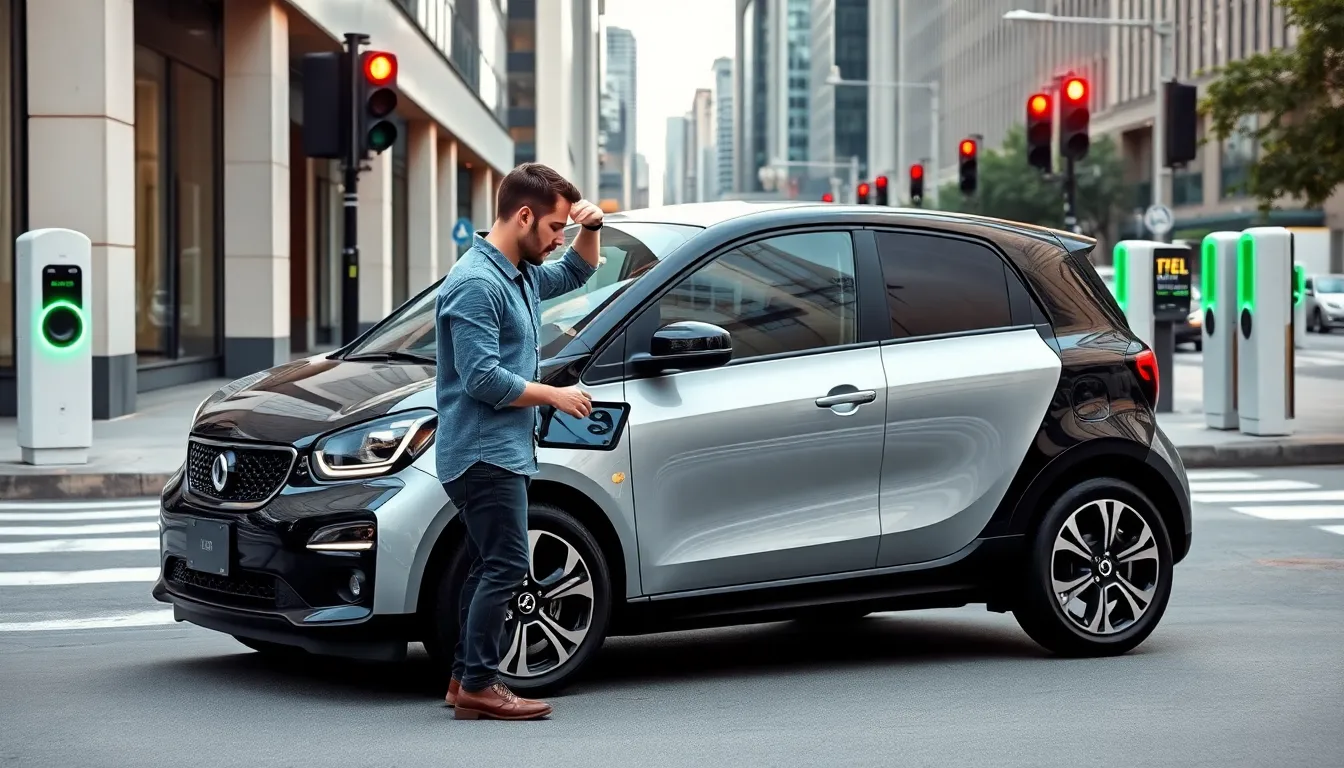
In a world where cars can practically think for themselves, smart vehicle technology is steering us into the future faster than you can say “autonomous driving.” Gone are the days of getting lost on a road trip or fumbling with a map like it’s 1999. With cutting-edge features like adaptive cruise control and real-time traffic updates, these vehicles are not just smart—they’re practically genius.
Overview Of Smart Vehicle Technology
Smart vehicle technology encompasses a range of advanced features designed to enhance safety, efficiency, and convenience on the road. Adaptive cruise control allows vehicles to maintain safe distances from other cars automatically. Real-time traffic updates provide drivers with accurate routing information, minimizing delays during commutes.
Several systems work together to enable a seamless driving experience. An example includes lane departure warnings, which alert drivers when their vehicles drift out of designated lanes. Collision avoidance systems use sensors to detect obstacles, intervening when necessary to prevent accidents.
Smart connectivity plays a crucial role in changing how drivers interact with their vehicles. In-car infotainment systems offer access to navigation and entertainment through voice commands and touch interfaces. Smartphone integration allows users to access apps and features from their devices, increasing usability and convenience.
Autonomous driving represents the pinnacle of smart vehicle technology. This development relies on artificial intelligence and extensive data analysis to navigate complex environments. Test phases have demonstrated that self-driving vehicles reduce the likelihood of human error, potentially lowering accident rates significantly.
Moreover, advancements in electric vehicle technology align seamlessly with smart vehicle features, promoting sustainability alongside innovation. Notably, smart charging infrastructure supports electric vehicles, optimizing energy use and reducing costs for drivers.
Overall, smart vehicle technology is reshaping the automotive landscape, driving a shift toward safer and more efficient transportation solutions.
Key Features Of Smart Vehicle Technology
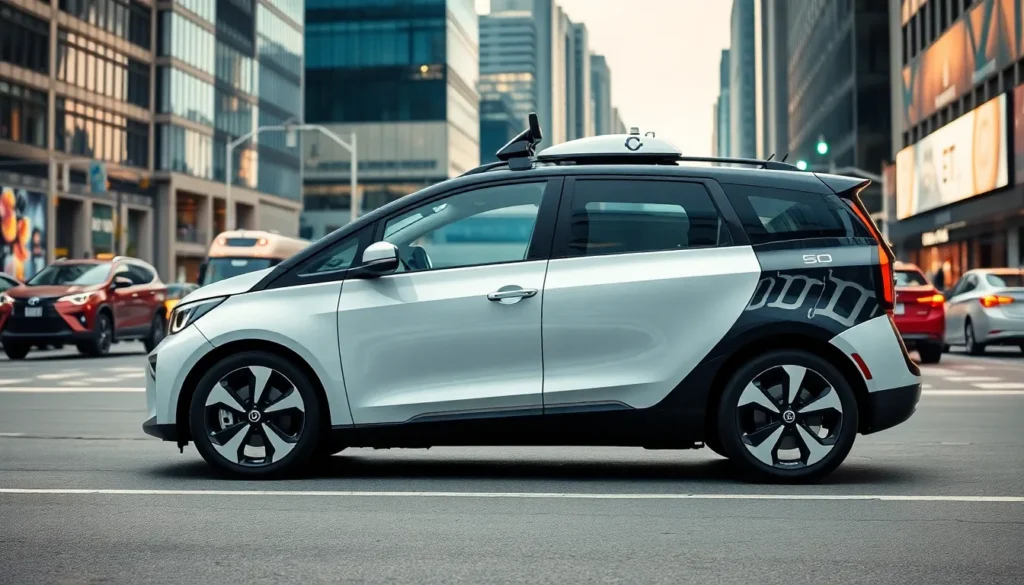
Smart vehicle technology integrates various groundbreaking features that enhance the driving experience. These include connectivity, automation, and safety enhancements that work cohesively to transform transportation.
Connectivity
Modern vehicles utilize advanced connectivity features for seamless communication. In-car infotainment systems provide navigation, music streaming, and hands-free calling, enriching passenger experiences. Smartphones integrate easily, enabling drivers to control apps and access information with ease. Vehicle-to-vehicle and vehicle-to-infrastructure communication enhance situational awareness, alerting drivers to hazards and traffic conditions. Real-time updates from connected services improve navigation accuracy, allowing for more efficient travel.
Automation
Automation in smart vehicles focuses on reducing driver responsibilities through innovative systems. Adaptive cruise control maintains safe speeds and distances, allowing for smoother driving in various conditions. Lane-keeping assist actively helps drivers stay centered in their lanes, significantly enhancing road safety. Additionally, parking assistance systems simplify parallel and perpendicular parking maneuvers. Autonomous driving features represent the pinnacle of automation, with vehicles capable of navigating complex environments independently.
Safety Enhancements
Safety enhancements play a crucial role in smart vehicle technology. Forward collision warning systems detect potential impacts, alerting drivers in advance. Automatic emergency braking intervenes when a collision seems imminent, potentially preventing accidents. Blind-spot monitoring helps reduce the risk of lane changes, significantly improving situational awareness. Furthermore, advanced airbag systems adjust deployment based on collision severity, enhancing occupant protection. These features collectively create a safer driving environment for all road users.
Types Of Smart Vehicles
Smart vehicles come in various forms, each offering distinct advancements that enhance the driving experience.
Autonomous Vehicles
Autonomous vehicles operate without human intervention. These cars use advanced sensors, cameras, and artificial intelligence to navigate various environments. Vehicles equipped with LiDAR and radar systems can detect obstacles and assess traffic conditions in real time. Companies like Tesla, Waymo, and Cruise are leading the development in this field. The promise of increased safety, reduced accidents, and more efficient traffic management drives interest in autonomous technology. Autonomous vehicles aim to revolutionize urban mobility, potentially reducing parking needs and travel times.
Connected Vehicles
Connected vehicles leverage internet connectivity to interact with external networks. These vehicles enable communication between cars and infrastructure, creating intelligent transportation systems. Features like real-time traffic updates, remote diagnostics, and vehicle-to-vehicle communication enhance efficiency and safety. Manufacturers implement technologies such as 5G to enable seamless connections, allowing vehicles to share data about road conditions and hazards. Connected vehicle technology also improves user experience through in-car infotainment, offering access to navigation, music, and other applications. This connectivity contributes to smart city initiatives, facilitating improved traffic flow and reduced congestion.
Benefits Of Smart Vehicle Technology
Smart vehicle technology provides significant advantages, particularly in the areas of safety and efficiency. The innovations embedded in modern vehicles enhance the overall driving experience.
Improved Safety
Smart vehicle technology enhances safety through advanced systems. Features like automatic emergency braking activate when a crash is imminent, significantly reducing accident risks. Lane-keeping assistance helps maintain the vehicle’s position, preventing unintended lane departures. According to the Insurance Institute for Highway Safety, vehicles equipped with these systems show a 20% reduction in collisions. Additionally, collision avoidance systems use sensors to detect potential obstacles, allowing for timely responses. Real-time updates contribute to situational awareness, further ensuring safer road interactions.
Enhanced Efficiency
Efficiency gains come from smart vehicle technology through optimized navigation and driving patterns. Systems like adaptive cruise control adjust speeds based on traffic conditions, reducing fuel consumption. The incorporation of real-time traffic information helps reroute journeys, saving time and fuel. Fleet management solutions monitor vehicle performance, allowing for proactive maintenance and minimizing downtime. Electric vehicles equipped with smart charging capabilities promote sustainability through optimal energy use. Studies indicate that utilizing smart technology can improve overall fuel efficiency by up to 15%. This combination of features not only enhances individual vehicle performance but also contributes to smarter transportation networks.
Challenges And Limitations
Smart vehicle technology faces various challenges and limitations that can impede its full potential. Addressing these obstacles is crucial for future advancements.
Technical Challenges
Complexity in integrating advanced systems creates hurdles for manufacturers. Compatibility issues often arise between different technologies, making interoperability difficult. Development of software that can adapt to multiple platforms poses additional difficulties. Sensor limitations can affect performance, particularly in adverse weather conditions. Data privacy concerns surround the collection and processing of user information, leading to hesitance among consumers.
Regulatory Issues
Regulation surrounding smart vehicle technology remains inconsistent across regions. Different jurisdictions enforce varying safety standards, complicating universal compliance. Manufacturers often struggle to navigate this patchwork of regulations, impacting innovation. Liability in case of accidents involving autonomous vehicles also raises legal questions. Policymaking must keep pace with technological advances to establish clear guidelines for deployment and use.
Future Trends In Smart Vehicle Technology
Emerging trends in smart vehicle technology signal a transformative shift in the automotive industry. Electric vehicles increasingly incorporate advanced smart features, benefiting from enhanced battery management systems that optimize energy use. Connectivity advancements now allow vehicles to interface seamlessly with smart city infrastructure, improving traffic flow and reducing congestion.
Autonomous driving continues to evolve, with AI algorithms becoming more sophisticated in real-time decision-making. Machine learning enables vehicles to learn from various traffic situations and adapt to human driving behavior, increasing safety and efficiency. Data collection from connected vehicles supports predictive maintenance, reducing downtime and enhancing reliability.
Integration of 5G technology plays a significant role in future advancements, facilitating faster communication between vehicles and surrounding infrastructure. V2X (vehicle-to-everything) communication promotes better coordination, allowing vehicles to respond promptly to real-time traffic signals and hazards. Enhanced cybersecurity measures are also crucial, ensuring data protection in increasingly connected environments.
Augmented reality is set to redefine driver interaction, providing real-time overlays of navigation and safety information directly onto windshields. Smart infotainment systems are anticipated to incorporate voice recognition and advanced personalization, improving user experience. Additionally, sustainable materials in vehicle manufacturing are becoming a trend, aligning environmental concerns with innovative design.
Collaboration between tech companies and traditional automakers promotes further development of advanced driver assistance systems (ADAS). These features significantly reduce accident risks, with statistics indicating a 20% drop in collisions for equipped vehicles. Regulatory bodies are actively working to establish frameworks that facilitate the safe deployment of autonomous vehicles, addressing liability and safety concerns.
Overall, these future trends demonstrate a commitment to creating safer, more efficient, and environmentally friendly transportation solutions.
Smart vehicle technology is not just a trend; it’s a revolution in how people experience driving. With innovations enhancing safety and efficiency, the automotive landscape is evolving rapidly. The integration of advanced features like autonomous driving and smart connectivity is paving the way for a future where vehicles communicate seamlessly with their surroundings.
As the industry faces challenges like regulatory hurdles and technical limitations, the potential for transformative change remains strong. The collaboration between tech firms and automakers is crucial for overcoming these obstacles and ensuring the safe deployment of smart features. The future of transportation promises to be safer, more efficient, and environmentally friendly, making smart vehicle technology an essential aspect of modern mobility solutions.


